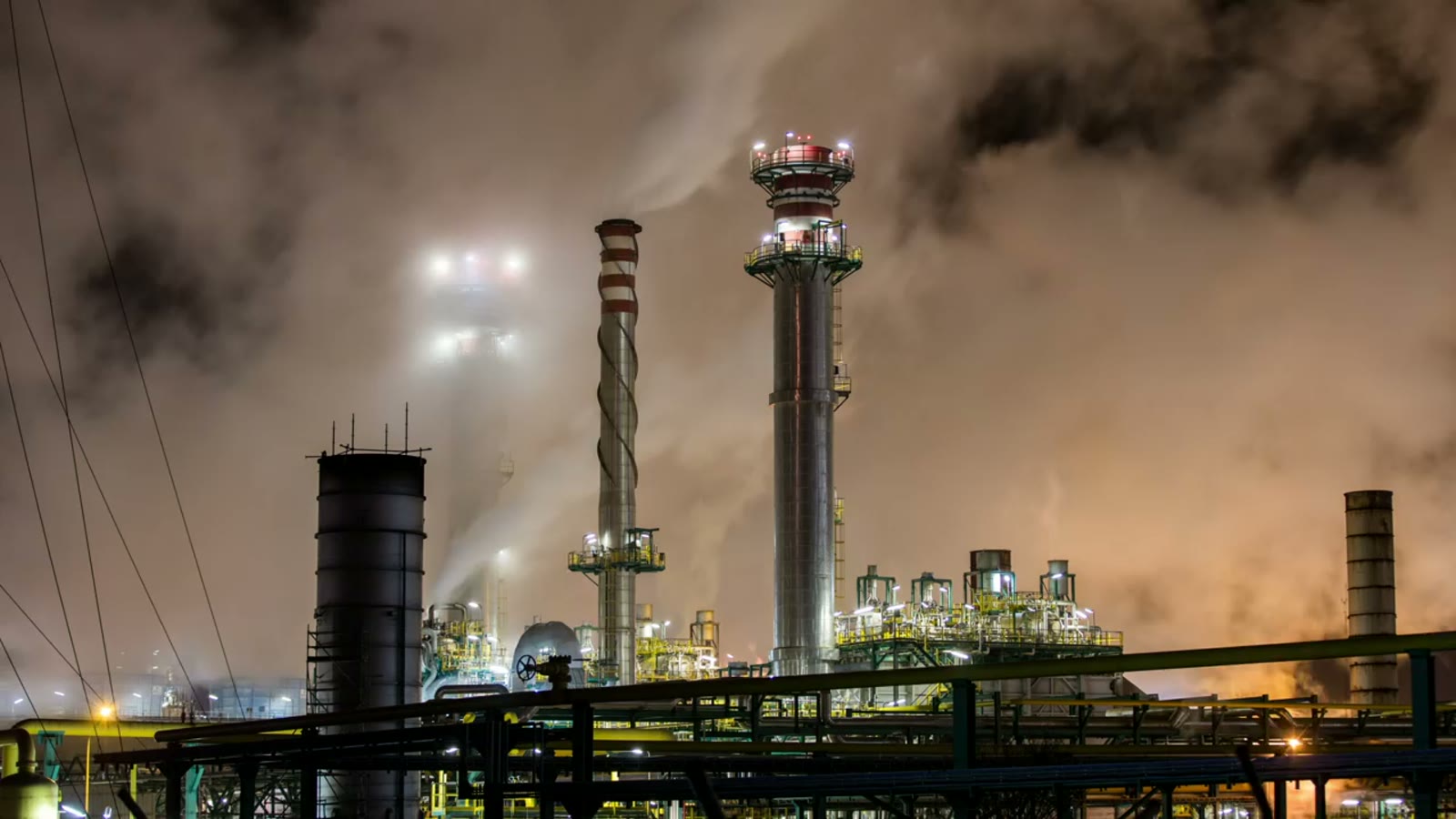
Phenol
苯酚
Phenol is the precursor for bisphenol-A, phenolic resin, and caprolactam, with Chinese capacity dominated by Sinopec and large private petrochemical complexes. UN 1671 (solid) or UN 2821 (solution), IMDG Class 6.1 Packing Group II for the toxicity profile; ships in heated ISO tanks for molten bulk or paper bags for solid. Phenol crystallises at 41 degrees Celsius so cold-weather shipments demand heated tanks or pre-melted IBCs. Chinese capacity is integrated with cumene plants in Ningbo, Huizhou, and the Yangtze coastal complexes. US imports do not carry Section 301 on bulk phenol at the time of writing. This cluster aggregates CAS 108-95-2 across the regulatory matrix.
Glossary
Terms you will meet on this lane
-
Class 6.1, IMDG Class 6.1
The IMDG hazard subclass for toxic substances, substances that can cause death, serious injury, or harm to human health if swallowed, inhaled, or absorbed through the skin. Covers cyanides, arsenic and mercury compounds, many pesticides, isocyanates, and a wide range of toxic intermediates routinely shipped from Chinese chemical factories.
-
PG I / II / III, Packing Group
Three-tier classification under the IMDG Code (and other transport regulations) indicating the relative severity of hazard within a dangerous-goods class. PG I is the most hazardous (great danger), PG II is medium danger, PG III is minor danger. Determines the required packaging strength and the regulatory burden of the shipment.
-
UN Number, UN Number
A four-digit identifier assigned by the United Nations Committee of Experts on the Transport of Dangerous Goods to identify a hazardous substance for international transport. Required on the DG Declaration, the package marking, the placards on the container, and Section 14 of the MSDS.
-
DG Declaration, Dangerous Goods Declaration
A signed shipper's document required for every dangerous-goods sea shipment, certifying that the cargo has been properly classified, packaged, marked, labelled, and is in the proper condition for transport. Issued under the IMDG Code on the IMO Multimodal Dangerous Goods Form.
-
MSA China / 海事局, Maritime Safety Administration of China
The Chinese government authority responsible for maritime safety, ship registration, port-state control, and the regulation of dangerous goods carried by sea on Chinese-flagged vessels and in Chinese ports. Reports to the Ministry of Transport. MSA China issues the Dangerous Goods Container Packing Certificate (危险品集装箱适装证明) that every DG export shipment from China must carry, alongside other operational permits for chemical cargo movement.
-
ISO Tank, ISO Tank Container
A stainless-steel or alloy-steel cylindrical pressure vessel mounted in a 20-foot ISO container frame, designed for the transport of bulk liquids and gases. Capacities typically 18-26 cubic metres (16-25 MT depending on cargo density). UN portable tank instructions cover four families: T1 to T22 for liquids and solids of Classes 1 and 3 to 9, T23 for Class 4.1 self-reactive substances and Class 5.2 organic peroxides, T50 for non-refrigerated liquefied gases, and T75 for cryogenic liquefied gases. ISO tanks carry the bulk of the world's hazardous liquid chemical trade and compete with parcel tankers at different scales.
-
SDS, Safety Data Sheet
The 16-section document that communicates the hazards, handling, storage, and emergency response information for a chemical product. Required at destination customs for any classified hazardous chemical and at the buyer's site for worker safety. SDS is the GHS-aligned successor to the older MSDS format.
-
COA, Certificate of Analysis
A document issued by the manufacturer (or by an accredited third-party lab) certifying that a specific batch of a chemical or material meets the agreed specification. Lists tested parameters, results, the test methods used, and a batch number that ties back to production.
-
FOB, Free On Board
Incoterm under which the seller delivers the goods on board the vessel at the named port of shipment. Risk and cost transfer to the buyer once the cargo crosses the ship's rail. The buyer arranges and pays for sea freight, marine insurance, and all destination-side costs.
-
CIF, Cost, Insurance, and Freight
Incoterm under which the seller is responsible for the cost of the goods, marine insurance, and sea freight to the named destination port. Risk transfers from seller to buyer when the goods are loaded on board at the origin port, but cost responsibility extends to destination port arrival.
Regulatory matrix
Cross-jurisdiction compliance
-
Phenol under REACH
European Union listing status, classifications, importer obligations.
-
Phenol under TSCA
United States of America listing status, classifications, importer obligations.
-
Phenol under IECSC
People's Republic of China listing status, classifications, importer obligations.
-
Phenol under AICIS
Australia listing status, classifications, importer obligations.
-
Phenol under K-REACH
Republic of Korea listing status, classifications, importer obligations.
Where it is made
Chinese industrial parks on this product line
ISO tank types
Freight-form references for the cargo
-
Heated / Steam-Jacketed ISO Tank Container
Heated ISO tanks use 8 to 12 internal stainless steam coils or a full external steam jacket to keep cargoes liquid above their melting points. Glacial acetic acid (16.6 deg C), phenol (41 deg C), liquid sugar, chocolate, fatty alcohols, sulphur, bitumen.
-
T11 ISO Tank Container (general chemical workhorse)
T11 is the most widely used UN portable tank in the global chemical fleet. Min test pressure 6 bar, MAWP 4 bar, 6 mm reference steel shell (4.18 mm 316L equivalent), bottom outlet allowed, normal PRV. Permitted for around 1,000 UN-numbered chemicals plus food-grade and water cargoes.
Sourzi operator note
Heated-tank availability decides the cargo window for phenol bulk shipments. Book the tank type before locking the price; the lane is thin on heated stainless capacity.
Curated by Sean. Primary-source verified per the regulatory drafting rules in Sourzi CLAUDE.md.
Sourcing phenol?
Tell us the chemical, grade and quantity. A person on our team in Shanghai sends you a real, checked factory, and your first one is free.
Free download
Free PDF: thirty-point factory audit checklist used on every Sourzi site visit before a first shipment.