On August 6, Trump signed Executive Orders 13942 and 13943 targeting certain transactions involving WeChat and TikTok. Every business news outlet covered nothing else for the following week. But if you source chemicals or industrial inputs from China, there is something that came out the same week that matters far more to your procurement decisions: GACC released July 2020 trade data showing China’s overall exports up 7.2% year-on-year, with organic and inorganic chemical categories posting positive growth after months of disruption. The WeChat story deserves your attention. Just not for the reasons the media was covering it. Let us deal with the actual export data first.
The July GACC Data: What 7.2% Growth Actually Means
China’s exports grew 7.2% year-on-year in July 2020 in US dollar terms. That is a meaningful acceleration from June’s 0.5% growth, and the composition of that growth is what matters for chemical importers specifically.
Electronics and medical equipment drove the largest absolute volumes, as they had throughout 2020. The genuinely encouraging data point for industrial chemical buyers is that HS Chapter 28 (inorganic chemicals) and HS Chapter 29 (organic chemicals) both posted positive year-on-year growth in July. After the supply disruptions of February through April and the demand suppression of May and June, that is a real inflection point. Chemical export volumes from China to the US showed recovery in July, with the improvement estimated at roughly 12% above the April trough for chemical and raw material categories.
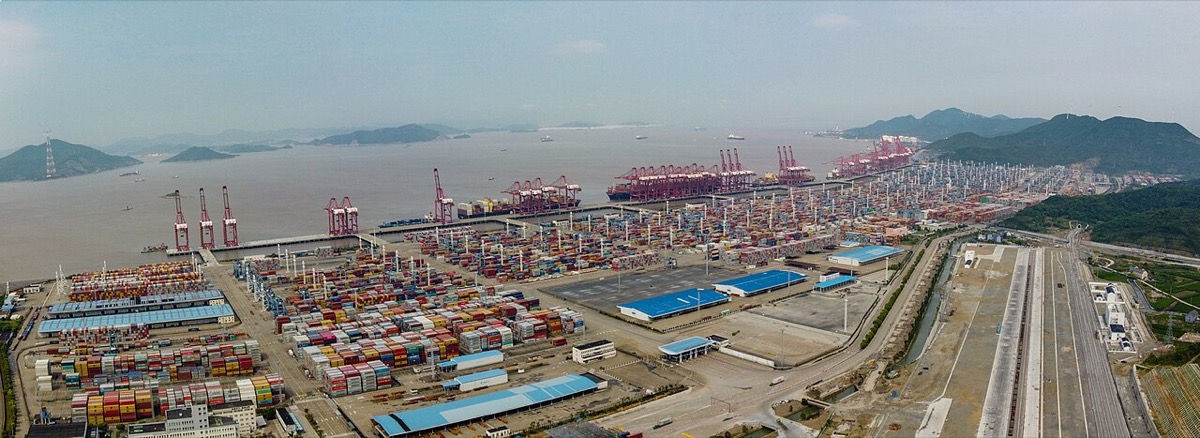
Two things happened simultaneously to produce that result. On the supply side, Chinese factories had fully normalised operations by late May. The disruptions from COVID-19 lockdowns, PPE line conversions, and logistics bottlenecks had largely cleared by June. On the demand side, US manufacturing began recovering and needed to restock depleted inventories. Both signals showed up in the data at the same time.
Why July 2020 Was the US Manufacturing Inflection Point
The ISM Manufacturing PMI for July 2020 came in at 54.2, the first reading above 50 since February 2020. A PMI above 50 signals expansion, and at 54.2 it was not barely scraping over the line. It was a solid reading indicating US manufacturers were actively ramping up production and restocking raw material inventories that had been drawn down through the worst months of the pandemic.
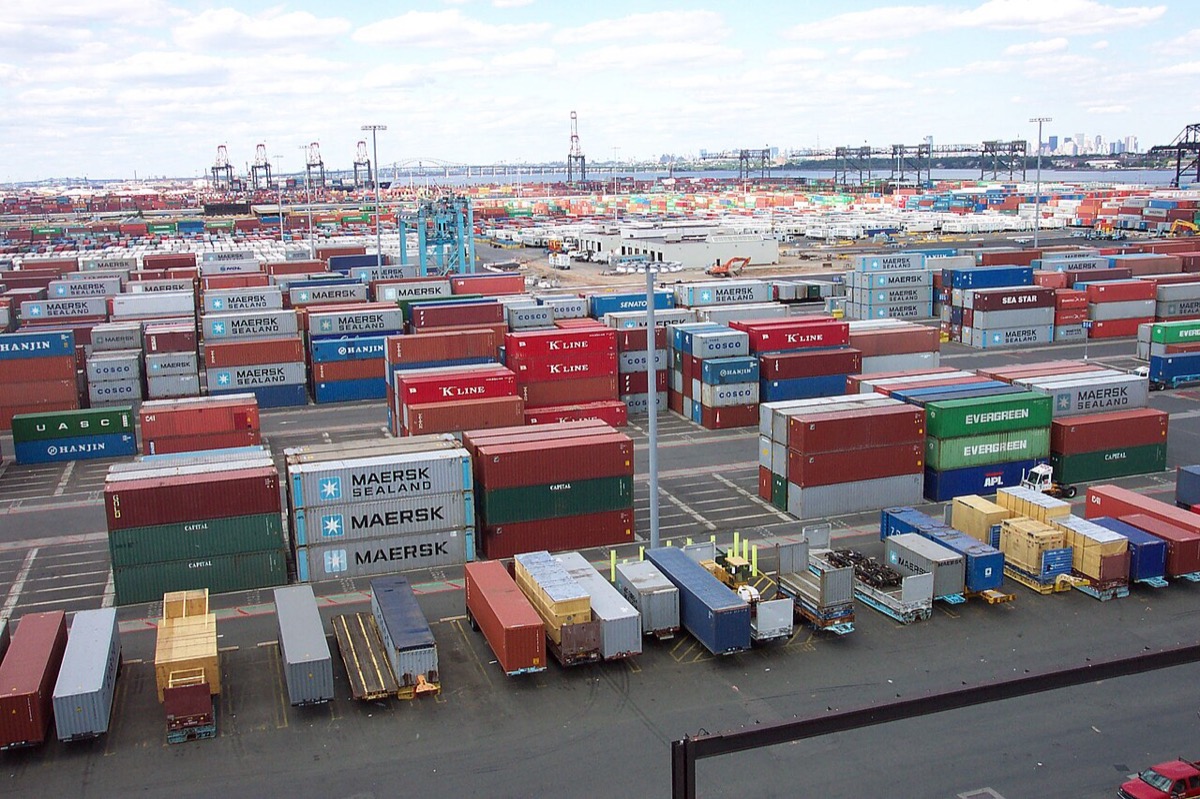
When US manufacturers start restocking, the signal reaches Chinese export desks within three to four weeks. July’s PMI reading meant purchasing managers at US facilities were placing orders, which meant those orders began flowing to Chinese suppliers starting in late July and accelerating through August. That is why the GACC data looks the way it does. It is also why lead times from Chinese chemical suppliers started extending again in August for buyers who were paying attention.
For procurement managers who had been waiting out the uncertainty before placing Q4 orders, this was the data point that made the decision for you. The recovery was real, measurable, and documented in both US manufacturing data and Chinese export statistics.
What the WeChat Ban Actually Prohibits and What It Does Not
EO 13942 does not ban US companies from communicating with their Chinese counterparts over WeChat. It prohibits certain categories of transactions with Tencent related to WeChat, specifically transactions that allow WeChat to function within the United States as a platform operated by or on behalf of Tencent. The implementation details were still being worked out by the Commerce Department when this was written, and enforcement was being challenged in court.
For a US plant operations director using WeChat to send quality inspection photos to a supplier in Shandong, the practical question is whether WeChat will stop working for them. The honest answer in mid-August 2020 was that the full enforcement scope was unclear. What was clear is that the risk of relying on a single communication channel controlled by a Chinese entity had just gone up measurably, regardless of how the courts ultimately ruled.
The operational problem is real because WeChat is not just a messaging app in the China trade context. It is order management infrastructure for many supplier relationships. Factory coordinators send production photos through it. Quality managers share test certificates. Shipping teams confirm container numbers. Accounts receivable staff send invoice copies. A US company that has operated this way for years has a genuine workflow problem if WeChat becomes unavailable or legally ambiguous to use.
Building Communication Redundancy Without Blowing Up Your Supplier Relationships
The companies that handled this transition smoothly had already diversified their contact points before August. Here is what actually works.
| Platform | Best Use Case | Adoption Rate Among Chinese Chemical Suppliers | Key Limitation |
|---|---|---|---|
| Day-to-day coordination, photo sharing, document exchange | High among export-oriented manufacturers | Not available in mainland China without VPN | |
| Formal record layer for POs, specs, quality documentation | Universal | Slower for real-time coordination | |
| Zoom | Relationship maintenance, production video walkthroughs | High at mid-size and larger factories | Scheduled calls only, not instant messaging |
| Supplier portal | Order tracking, document retrieval | Available from better-organised factories | Requires supplier investment to build |
WhatsApp works reliably with most Chinese suppliers who have international business experience. The adoption rate among export-oriented Chinese manufacturers is high enough that you should not face resistance asking a supplier to set it up. Email got deprioritised during the WeChat era because WeChat was faster, but it deserves rehabilitation as the formal record layer for all purchase orders, specifications, and quality documentation. If it is not in email, it did not happen formally.
The deeper issue is contact redundancy. If your only point of contact at a Jiangsu chemical supplier is a WeChat account belonging to one sales rep, you are one personnel change away from losing the relationship entirely. You need email contacts, phone contacts, and LinkedIn profiles for at least two people at every key supplier. This is basic supply chain risk management that the WeChat situation made urgently visible.
Q4 Order Timing: The Maths That Makes the Decision for You
Here is where the July data becomes most actionable.
US manufacturing PMI crossed into expansion territory in July. Lead times for ocean freight from Chinese ports to US East Coast facilities currently run 30 to 35 days for standard containers. Add 7 to 14 days for factory production and loading, and you are looking at a total procurement cycle of 37 to 49 days from order placement to US port arrival. Customs clearance, drayage, and delivery to your facility add another 7 to 14 days on top.
| Order Placement | Factory Ready | Vessel Departure | US Port Arrival | Delivery to Facility |
|---|---|---|---|---|
| Mid-August | Late August | Early September | Mid-October | Late October |
| Late August | Early September | Mid-September | Late October | Early November |
| September 1 | September 15 | Late September | Early November | Mid-November |
A mid-August order placement arrives at your facility in late October, right in the heart of Q4. If your Q4 production schedule requires chemical inputs at volume and you have not placed orders yet, you are cutting it close. The recovering demand signal described above means your suppliers are already fielding more inquiries. Lead time extensions become likely before they become certain, and by the time your supplier tells you there is a delay, you have already lost the window.
The political risk around US-China trade relations is real, but it has been real since 2018. The companies that have been paralysed by tariff uncertainty for two years are discovering that their competitors who kept buying strategically are better positioned. The GACC data tells you where the physical supply actually is. It is recovering. Your job is to manage the timing, not wait for the political environment to clarify.
Fix the WeChat communication issue because it is solvable with the alternatives described above. Prioritise email as the formal record layer starting today. Build contact redundancy at every key supplier so you are not one personnel change away from a relationship gap. And build your Q4 chemical procurement plan around the actual supply and demand data rather than the political headlines.
The suppliers who make your products are running. The factories are shipping. The question is whether your order is in the queue.