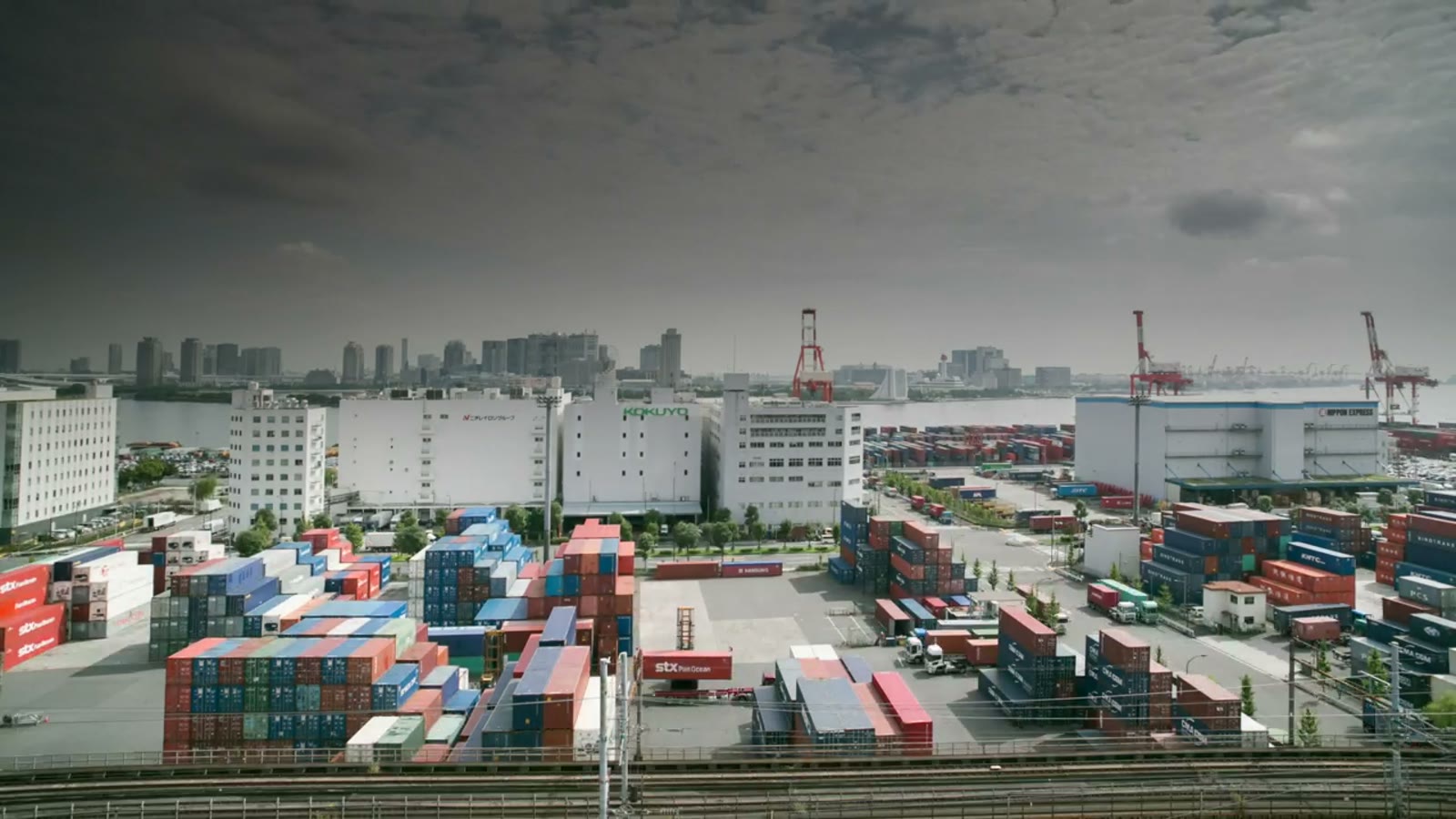
GACC published April 2020 trade data in early May and the headline read +3.5% year-over-year. After February’s catastrophic -17.2% and March’s -6.6%, a positive number felt like a turning point. Some analysts used the word “rebound.” If you buy industrial chemicals or raw materials from China for US manufacturing, I want to be direct with you: that headline is almost useless for your procurement decisions. The rebound was real, but it was carried almost entirely by PPE and medical equipment exports. Your category did not recover the same way, and the geopolitical picture around this data was getting worse, not better.
The PPE Story Is the Real April Story
China’s export growth in April 2020 was not broad-based. It was a function of China dominating global PPE and medical equipment supply at a scale no other country could match. Masks, ventilators, testing kits, protective gowns: they shipped outbound in enormous volume as governments and healthcare systems worldwide competed to secure whatever they could.
Industrial chemical exports did not participate meaningfully in that rebound. The factory capacity constraints that emerged through March, where chemical plants were diverting lines to PPE production, were not fully resolved by April. The overall trade numbers improved. The specific category data that matters to procurement managers buying chemicals for US manufacturing did not improve at the same rate.
If you saw that +3.5% headline and assumed your supply chain was normalising, that assumption was wrong. Pricing decisions or contract commitments built on that assumption were going to hurt.
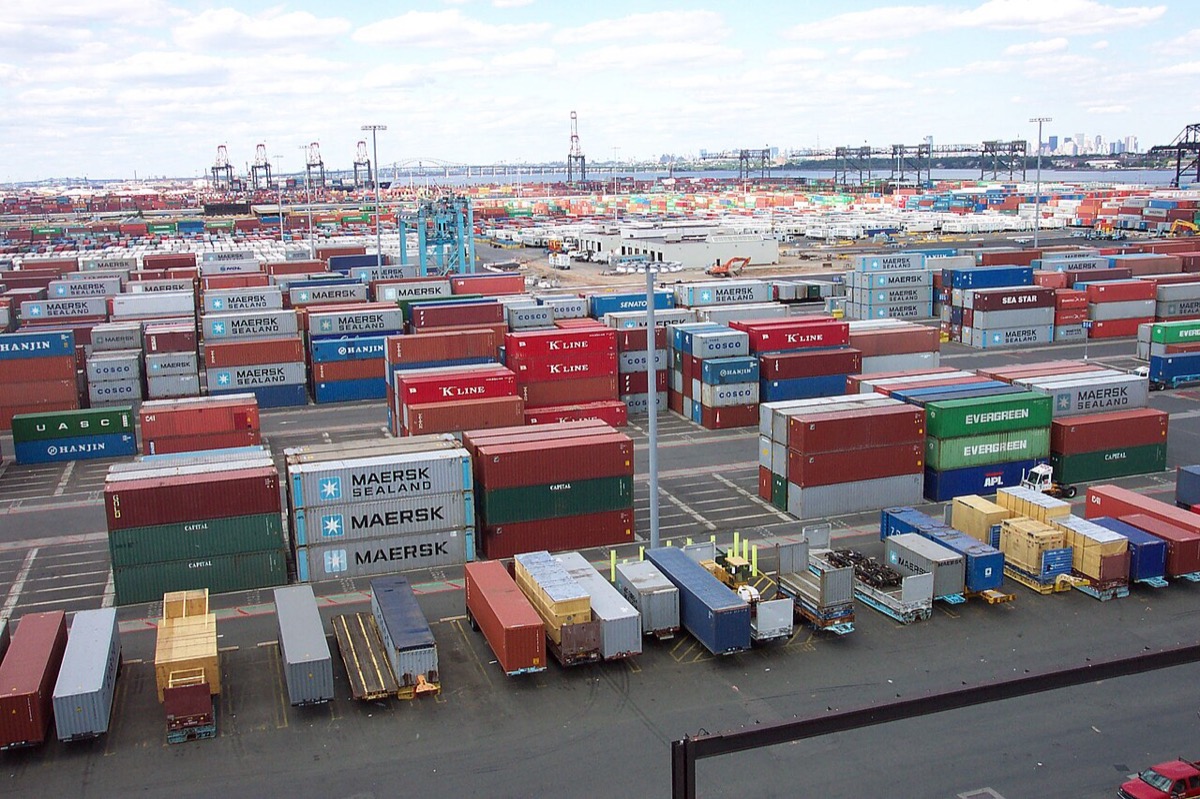
The Caixin China Manufacturing PMI for April 2020 came in at 49.4, just below the 50 expansion-contraction line. Manufacturing in China was still contracting, barely, but contracting. New export orders were weak. That PMI reading confirmed what the disaggregated trade data was showing: medical equipment carried the headline number, and the rest of Chinese manufacturing was still finding its footing. The Caixin had collapsed to 40.3 in February, the lowest reading in the survey’s history. A recovery to 49.4 is real progress. It is not a green light.
Phase One: The Compliance Gap Was Already Brutal
The Phase One trade agreement, signed in January 2020, required China to purchase $52.4 billion above 2017 baseline levels in US goods and services across the two calendar years of 2020 and 2021. That commitment was ambitious before COVID-19. By May 2020 it was genuinely difficult to defend as on-track.
The Peterson Institute for International Economics published Phase One compliance tracking throughout this period. Their data showed China running at a fraction of its required purchase pace in Q1 2020. Energy purchases were far below target. Agricultural purchases were behind. Manufacturing goods purchases were behind. The combination of COVID disruption in China during Q1 and the collapse in Chinese domestic demand created a hole in the purchase pace that could not be filled by simply accelerating Q2 buying.
By mid-2020, China had achieved roughly 23% of the purchase pace required to hit its full-year commitments. That is not a slip. That is a structural failure of the framework’s core mechanism.
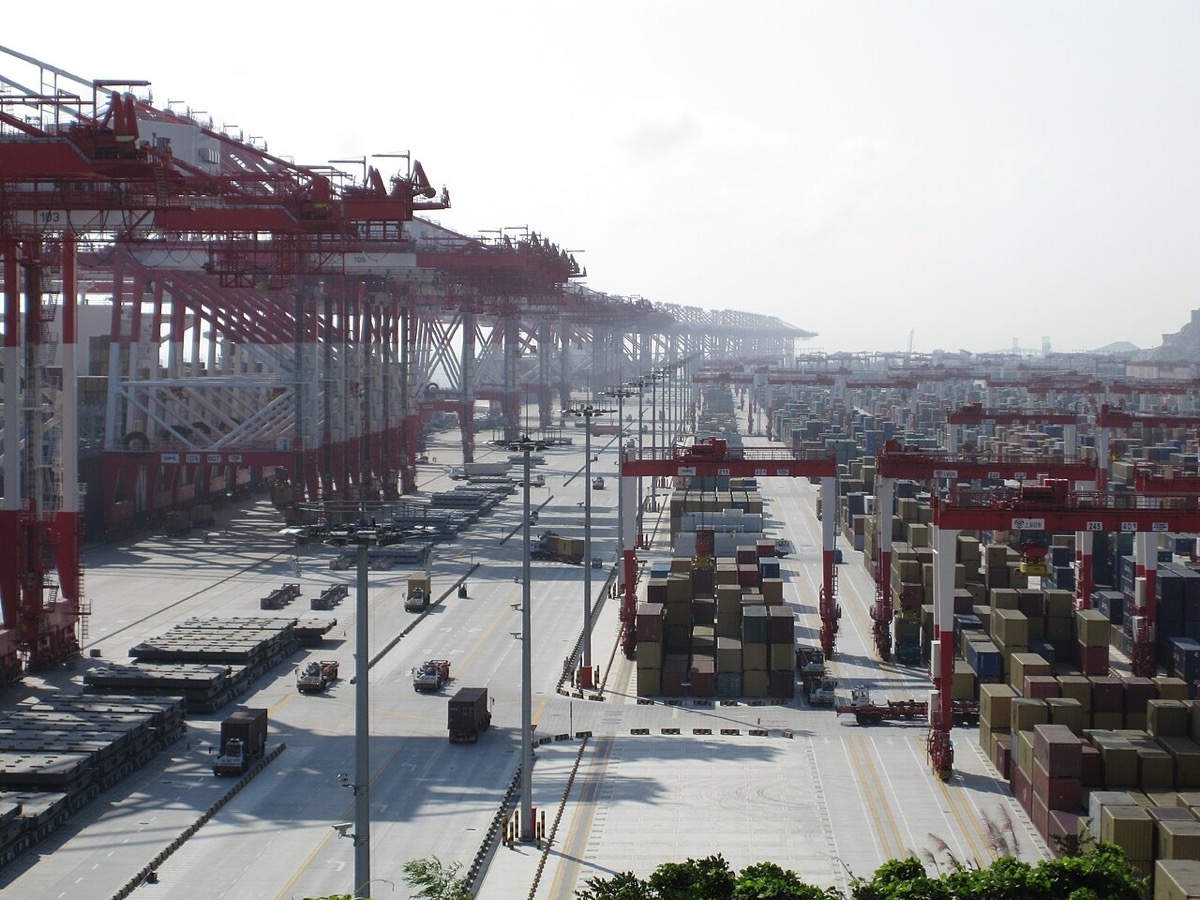
For US exporters and for the broader bilateral relationship, this was a serious problem. The Trump administration had staked enormous political capital on Phase One as a win. Data showing China badly behind on purchase commitments gave those inside the administration who wanted to escalate pressure exactly the ammunition they were looking for.
As a chemical importer, watch Phase One compliance not because the agreement directly governs what you pay in tariffs today. Watch it because compliance failures drive political decisions that do affect Section 301 tariff rates. The linkage is indirect, but it is real and it is consequential.
The Section 301 Environment in May 2020
List 3 tariffs remained at 25%. These cover a broad range of industrial chemicals, organic compounds, resins, and intermediates. No relief was granted and no exclusions were meaningfully expanded during this period.
List 4A tariffs remained at 7.5% after the Phase One agreement reduced them from 15% in January 2020. List 4B tariffs remained suspended. No further reductions were on offer. The USTR exclusion process was ongoing but moving slowly, and companies that had won exclusions in 2019 were watching expiration dates approach with no guarantee of renewal.
Then in May 2020, Trump publicly threatened additional tariffs on China, citing COVID-19 origins as justification. The threat was not immediately enacted into formal rulemaking, but it introduced genuine uncertainty about whether rates could move upward from where they already sat. That uncertainty has a direct cost that does not show up on your landed cost sheet: it makes medium-term cost modelling less reliable and shortens the window in which you can confidently price long-term supply contracts.
Scenario Planning When the Policy Environment Is Unstable
When tariff rates are stable, modelling landed cost is straightforward. When the administration is making public threats about potential additional duties, you need to build scenarios rather than single-point estimates. Running one cost model in this environment is not planning. It is wishful thinking.
| Scenario | Additional Tariff | Example: $2,000/MT FOB, List 3 | Effective Landed Tariff Cost |
|---|---|---|---|
| Baseline (current) | 0% additional | 25% Section 301 + 6.5% MFN = 31.5% | $630/MT on $2,000 FOB |
| Moderate escalation | +7.5% additional | 38.5% effective combined | $770/MT on $2,000 FOB |
| Severe escalation | +17.5% (back to pre-Phase One) | 49% effective combined | $980/MT on $2,000 FOB |
Keep those models updated monthly. Tariff policy in 2020 was moving faster than quarterly procurement cycles could accommodate. A supplier price that worked in your January model might be underwater in your June model if new duties came through.
For contracts under negotiation: keep purchase order terms shorter than six months. A 12-month supply agreement signed in May 2020 locking in price and volume would have exposed you to significant tariff risk with limited exit options. Six-month terms with repricing provisions aligned better with the actual policy environment.
The Case for Spreading Across Provinces
One practical response to this environment that went underused was spreading suppliers across multiple Chinese provinces rather than concentrating in one region.
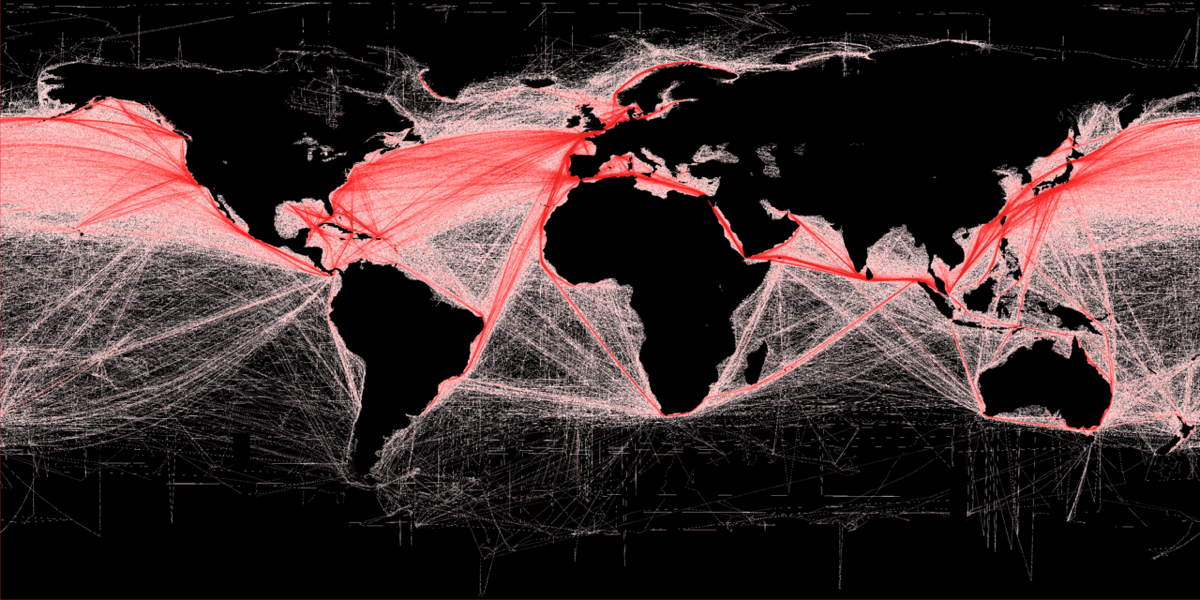
Guangdong, Jiangsu, Shandong, and Zhejiang have meaningfully different industrial profiles, labour markets, and government support priorities. A buyer with two approved chemical suppliers, one in Shandong and one in Zhejiang, is less exposed to a province-specific policy shift, a regional logistics disruption, or a local government directive that redirects factory capacity. The PPE conversion phenomenon of March and April 2020 did not affect all provinces equally.
Diversification across provinces also creates pricing competition that a single-province strategy does not give you. When Jiangsu factory prices move up because of local demand pressure, your Shandong supplier becomes a credible alternative, and both sides know it.
What the April Data Is Actually Telling You
The +3.5% April rebound from GACC tells you China’s export machine is running again at meaningful scale and that the February collapse was not a structural break. That is genuinely useful information. It means your supplier’s logistics and shipping capacity are likely normalising.
It does not tell you that chemical supply chains have recovered to pre-COVID reliability. It does not tell you that Section 301 tariff rates will stay where they are. It does not tell you that Phase One commitments will be honoured on a timeline that stabilises the bilateral relationship.
Stay short on contract terms. Run tariff scenario models monthly. Diversify your approved supplier base across provinces. Watch the Peterson Institute Phase One tracker as a leading indicator of diplomatic temperature. The April rebound headline was real. The context around it demanded a lot more caution than that headline suggested.