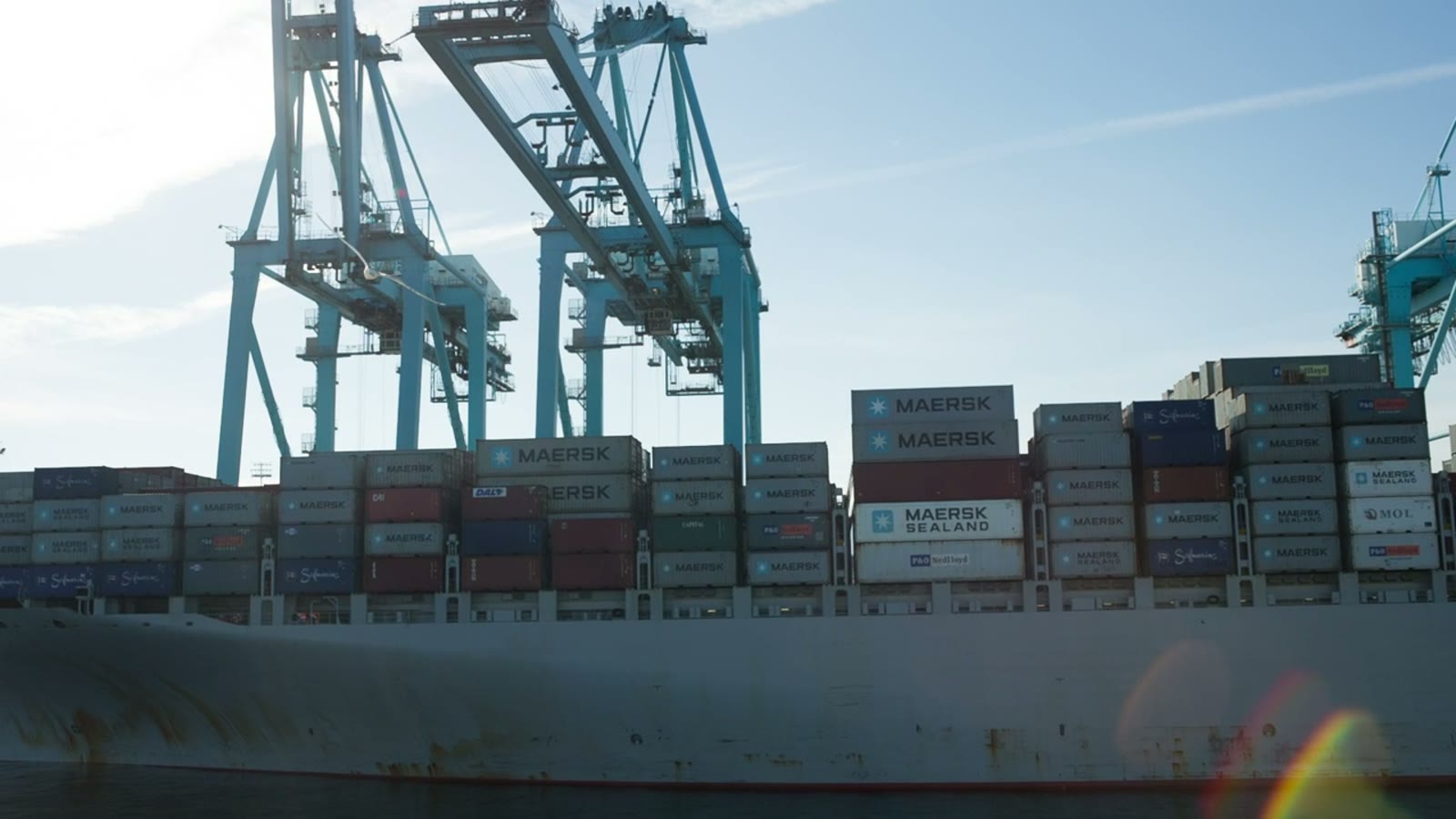
If you buy MDI from Huntsman, you have already had the call. Supply is gone for 8 to 12 weeks. Full stop. Winter Storm Uri dropped Houston to -2°F (-19°C) on February 15, 2021, the coldest the city has been since 1989, and the ERCOT grid could not handle it. About 4.5 million homes and businesses lost power across the state. Up and down the Texas chemical corridor, facilities representing an enormous share of North American production went dark, froze solid, and started issuing force majeure declarations one after another.
Force majeure on a chemical plant is not like running short on a raw material for a week. When you freeze a reactor and then thaw it, the restart process is measured in weeks, often months. If you have purchase orders outstanding with any of the affected producers, your Q1 procurement plan is broken and your Q2 plan is shaky.
Here is the ground truth on what shut down, what it means product by product, and how to move with Chinese suppliers before your downstream customers start sending you uncomfortable emails.

Which Facilities Declared Force Majeure and Why the Scale Matters
The force majeure notices started rolling in around February 13 and continued through the week. These were not small players.
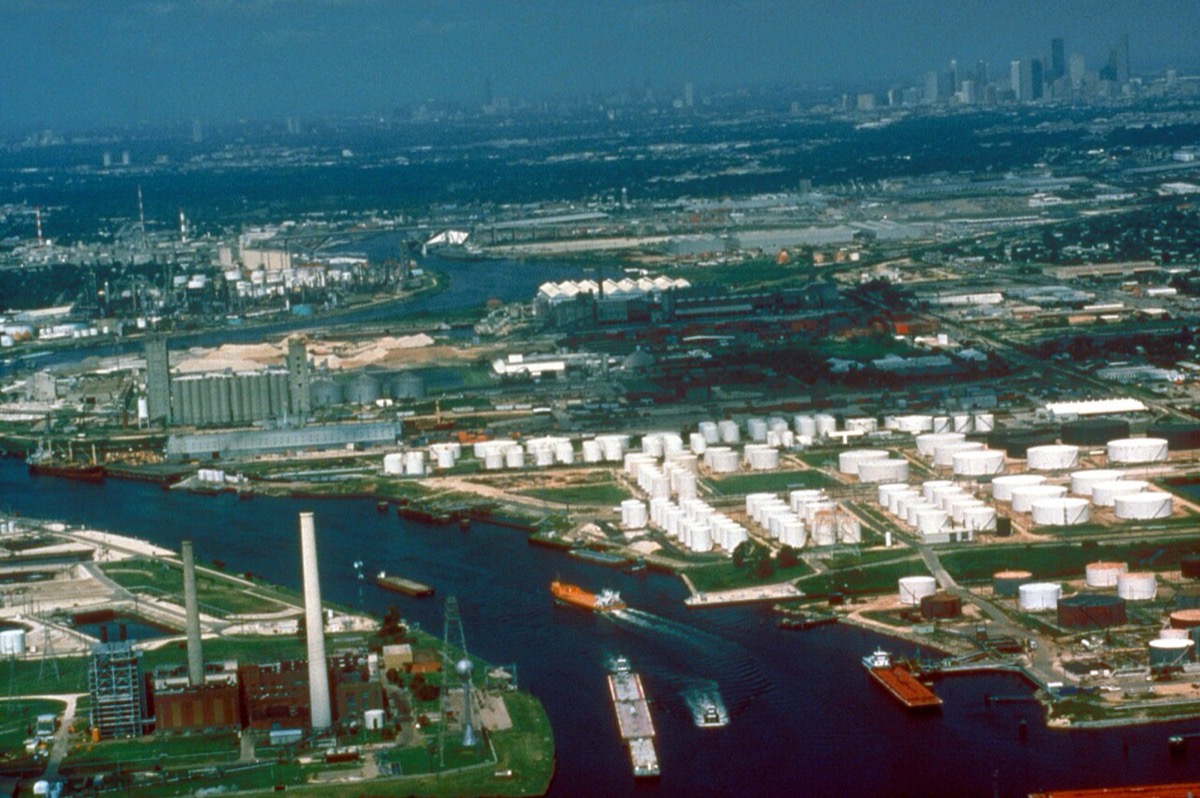
Dow Inc. declared force majeure at its Port Neches facility, the primary source of TDI (toluene diisocyanate) for North American flexible foam, and at its Freeport complex, which covers chlor-alkali production and several downstream derivatives. Dow’s Texas Gulf Coast footprint represents a material chunk of US polyurethane feedstock capacity.
LyondellBasell shut down multiple sites simultaneously: Corpus Christi, La Porte, and Channelview. Together those facilities produce polyethylene, polypropylene, and propylene oxide. When Channelview and Corpus Christi go offline at the same time, the PE and PP market feels it within two weeks.
Huntsman Corporation declared force majeure at Port Neches, which houses one of the largest MDI (methylene diphenyl diisocyanate) units in North America. MDI is the feedstock for rigid polyurethane foam used in building insulation, refrigeration panels, and automotive applications. There is no quick domestic substitute when that unit goes dark.
BASF Corporation shut down its Freeport complex across multiple chemical streams. Formosa Plastics at Point Comfort went down as well, taking PVC and polyethylene production offline.
| Company | Facility | Products Affected | Estimated Restart Timeline |
|---|---|---|---|
| Huntsman | Port Neches, TX | MDI (rigid polyurethane feedstock) | 8 to 12 weeks |
| Dow Inc. | Port Neches, TX | TDI (flexible foam feedstock) | 6 to 10 weeks |
| Dow Inc. | Freeport, TX | Chlor-alkali, downstream derivatives | 4 to 8 weeks |
| LyondellBasell | Channelview, TX | Polyethylene, propylene oxide | 4 to 8 weeks |
| LyondellBasell | Corpus Christi, TX | Polypropylene | 4 to 6 weeks |
| LyondellBasell | La Porte, TX | Polyethylene | 4 to 6 weeks |
| BASF | Freeport, TX | Multiple chemical streams | 4 to 8 weeks |
| Formosa Plastics | Point Comfort, TX | PVC, polyethylene | 6 to 10 weeks |
Texas accounts for roughly 50 to 60% of US ethylene and polyethylene capacity. This is not a regional inconvenience. It is a national supply event.
The Product-by-Product Impact: What Is Actually Disrupted
MDI is the backbone of rigid polyurethane foam. Insulation panels, refrigerator linings, spray foam, automotive seating, and structural panels all depend on it. The North American MDI market was already tight coming into 2021, with construction activity running hot and automotive recovering from 2020 shutdowns. Huntsman’s Port Neches force majeure pulls a significant slice of domestic MDI supply off the table at the worst possible moment. Spot prices were already moving before the storm. Expect them to keep moving upward as buyers without established import relationships start calling every distributor they can find.
TDI drives flexible polyurethane foam: furniture cushioning, mattresses, carpet underlay, and acoustic foam. Dow’s Port Neches TDI capacity is a major share of North American TDI supply. Unlike MDI, TDI has fewer large-volume global producers, so when a key facility goes down the global pool tightens fast. If you buy TDI for flexible foam applications and you do not have a Chinese supplier already qualified, you are about to compete with a lot of other buyers for constrained availability.
HDPE and polypropylene from LyondellBasell’s shutdowns affect blow-moulded containers, pipe, film, injection-moulded auto parts, and woven bags. Processors running HDPE or PP lines with primary sourcing from Gulf Coast producers should be calling spot traders and Chinese import contacts simultaneously.
Wanhua Chemical: The Primary Chinese MDI Alternative
If your domestic MDI supplier just declared force majeure, Wanhua Chemical is the name you need right now. Wanhua is the world’s largest MDI producer, with approximately 2.5 million metric tonnes per year of capacity across facilities in Yantai, Ningbo, and Zhuhai, plus international joint ventures.
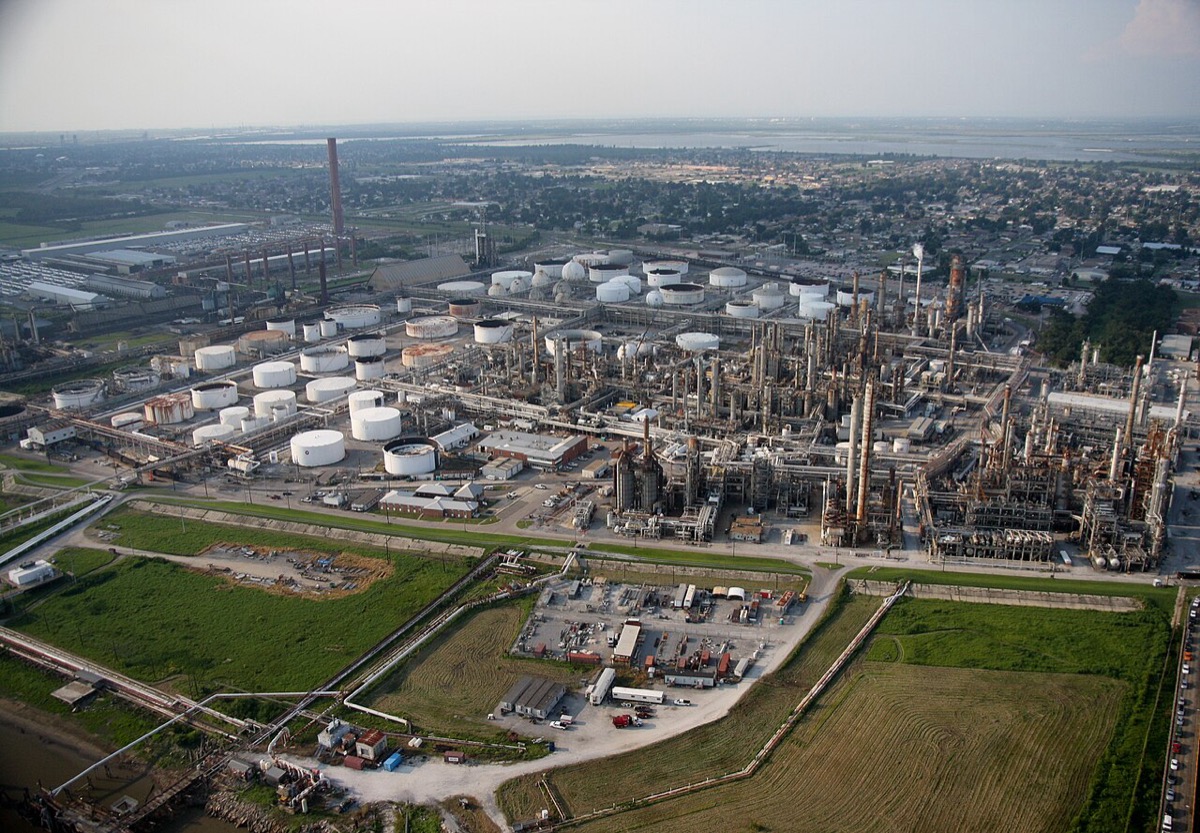
Wanhua’s quality is not a question mark. They hold ISO 9001 and ISO 14001 certifications, supply major European and US automotive OEMs directly, and their MDI meets the same purity and isomer ratio specifications as Dow and Huntsman product. You are not accepting an inferior product to fill a gap.
The practical questions are lead time and landed cost. Wanhua can typically get product moving within 4 to 6 weeks from order confirmation to arrival at a US port using standard 20-foot ISO tank containers. That is longer than a domestic truck delivery, but for a force majeure situation where domestic supply is unavailable for 8 to 12 weeks, the maths works. Covestro also operates significant MDI capacity in China, giving buyers already in the Covestro global system another qualified route.
What the Landed Cost Actually Looks Like
Chinese MDI and TDI sit under Section 301 tariffs at 25% on most chemical HTS codes. That is not a small number. But compare it to the alternative: spot market MDI in the US right now is trading at premiums that may exceed 30 to 40% above contract pricing, assuming you can find product at all.
| Cost Component | Amount |
|---|---|
| Wanhua MDI ex-works price | ~$1,800/MT |
| Inland freight to Chinese port | ~$50/MT |
| Ocean freight to US Gulf or East Coast | ~$150 to $200/MT |
| Section 301 tariff at 25% of customs value | ~$500 to $525/MT |
| Customs clearance and port fees | ~$30 to $50/MT |
| Inland delivery to your facility | ~$50 to $80/MT |
| Total landed cost estimate | $2,580 to $2,705/MT |
If your domestic contract price was $1,600/MT and it is now unavailable, and spot domestic is at $2,200/MT with no guaranteed delivery date, the import maths becomes compelling even with the tariff. The calculation changes product by product. Run it yourself with current numbers before you commit.
The 48 to 72 Hour Playbook: Moving Fast Without Making Mistakes
When a force majeure hits, the first 48 to 72 hours determine whether you can cover your customers or whether you are writing apology emails and asking for extensions.
Get the force majeure scope in writing first. Do not accept a phone call as documentation. Get a written notice, confirm which products and volumes are affected, and ask for an estimated restart timeline. That documentation protects you commercially and lets you communicate accurately to your downstream customers.
Pull your product specs and prepare a concise technical brief: product grade, purity requirements, application, packaging preference (ISO tank, drums, or flexi-bags), and required certifications. A Chinese supplier cannot quote you accurately without this information.
Contact at least two Chinese suppliers simultaneously. For MDI, that is Wanhua Chemical and Covestro China. For TDI, it is Wanhua and traders connected to China National Chemical Corporation. For HDPE and PP, the primary producers are Sinopec and PetroChina, with multiple licensed trading companies handling export sales.
Request a product data sheet, a recent certificate of analysis, and an SGS or Bureau Veritas inspection option for the first shipment. Any reputable Chinese chemical exporter will accommodate third-party inspection without hesitation. If they push back on it, move on.
Then run the landed cost calculation before you commit. Use the table above as your starting framework and adjust for your specific product grade, port, and logistics configuration.
The Structural Lesson That Should Not Need Repeating
This is the third time in fifteen years that Gulf Coast chemical production has taken a major hit. Hurricane Katrina in 2005. Hurricane Harvey in 2017. Winter Storm Uri in 2021. Each time, buyers scrambled for alternative supply. Each time, those with established Chinese supplier relationships moved faster and absorbed less cost than those starting from scratch.
The case for maintaining active Chinese supplier relationships is not that Chinese product is always cheaper or always better. It is that concentration risk in a single geography is a liability, and the Gulf Coast chemical corridor has demonstrated repeatedly that it is vulnerable to weather events that take months of capacity offline. Three events in fifteen years is not bad luck. It is a pattern.
Qualifying a Chinese MDI, TDI, HDPE, or PP supplier takes 6 to 12 weeks under normal conditions: technical qualification, a trial shipment, internal approval. If you start that process today, you will not have the relationship in place for this crisis. But you will have it in place for the next one, because there will be a next one.
Every procurement manager buying large volumes of polyurethane feedstocks or polyolefins from Gulf Coast producers should have at minimum one qualified Chinese supplier on their approved vendor list. Not as a primary source: as a proven backup that can cover 20 to 30% of volume on short notice. Start making calls today.