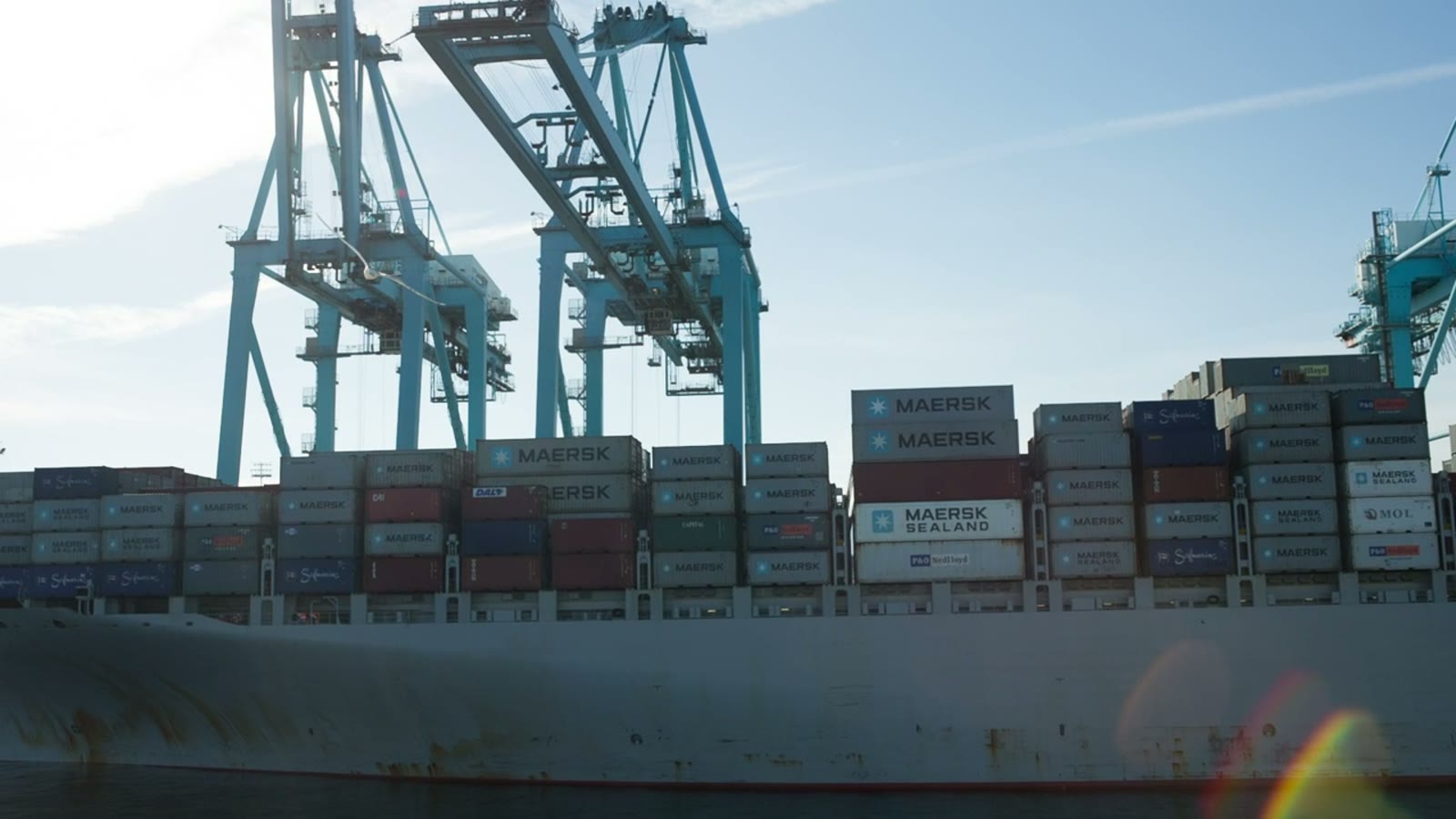
TSCA, the Toxic Substances Control Act, is the US chemical inventory law. Every industrial chemical entering the United States must either be on the TSCA Inventory or covered by a valid exemption. Customs holds shipments at the dock when the importer cannot produce a TSCA certification. There is no “we’ll figure it out at the port” with TSCA.
This guide covers what a first-time US chemical importer must actually do, from substance identification through certification at entry through ongoing reporting obligations. Twenty years of running this for our US clients is the basis. The chain below is how we keep our buyers’ cargo moving.
Step 1: Determine TSCA applicability
Not every chemical falls under TSCA. The statute regulates industrial chemicals. It does not regulate:
| Out of TSCA scope | Governing statute |
|---|---|
| Pesticides | FIFRA (Federal Insecticide, Fungicide, and Rodenticide Act) |
| Pharmaceuticals | FDA (Federal Food, Drug, and Cosmetic Act) |
| Food additives | FDA (FFDCA) |
| Tobacco | FDA Center for Tobacco Products |
| Firearms and ammunition | ATF |
| Nuclear material | NRC and Atomic Energy Act |
A substance is regulated under TSCA if it is an industrial chemical and not exclusively destined for one of the above uses. A chemical intermediate that goes into a regulated end-product (a pharmaceutical, a pesticide) is still TSCA-regulated at the chemical-substance level, only the end-product use is regulated under the other statute.
For routine industrial chemicals (solvents, pigments, catalysts, polymer additives, paper-industry chemicals, water-treatment chemicals), TSCA applies. The first step is confirming TSCA applies before going further.
Step 2: Look up the substance on the TSCA Inventory
The TSCA Inventory is the EPA’s master list of chemicals that have been cleared for commercial use in the US. The Inventory is searchable by CAS number on the EPA Central Data Exchange (CDX) portal.
Three possible outcomes:
- Listed. The substance is on the public TSCA Inventory. Standard import pathway. Proceed to certification at entry.
- Listed as confidential. The substance is on the confidential portion of the Inventory. The importer cannot directly verify, but can request a Bona Fide Intent inquiry to EPA. EPA confirms whether the specific substance is listed without revealing the confidential identity.
- Not listed. The substance is a “new chemical” under TSCA. The importer must either file a Section 5 PMN or qualify for an exemption (R&D, articles, qualifying polymer, low-volume).
The CAS number is the discriminator. Different CAS numbers are different substances under TSCA, even if they appear similar. A substance with a slightly different molecular structure or a different isomer can be a different CAS number and a different TSCA Inventory entry.
For factory-supplied substances, the Chinese factory’s COA and MSDS carry the CAS number. Verify the CAS number on the COA matches the EPA Inventory listing, and matches what is filed at customs entry. The most common TSCA failure mode we have caught is a factory writing one CAS number on the COA and the importer filing a different CAS number at customs entry, because the MSDS and COA used different abbreviations of the substance name.
Step 3: Evaluate the substance’s Active List status
The 2016 Lautenberg Chemical Safety for the 21st Century Act amendments to TSCA created the EPA risk-evaluation process. Substances under active risk evaluation are placed on the EPA’s “Active List” and can become subject to:
- Existing chemical risk evaluations. EPA evaluates whether the substance presents an unreasonable risk under conditions of use.
- Section 6 rulemaking. If risk is found, EPA can restrict the substance, limit uses, require labelling, set exposure limits, or prohibit certain forms.
- Lower CDR threshold. Active List substances trigger CDR reporting at 2,500 lbs per site per year instead of the standard 25,000 lbs.
- Downstream notification (Section 8(e)). Importers and processors must report new information about adverse effects.
The Active List is published on the EPA website and updated quarterly. Before booking any chemical for US import, check whether the substance is on the Active List. The list has driven recent restrictions on methylene chloride, NMP, asbestos, perchloroethylene, and several other chemicals, restrictions that landed with little advance warning for importers who were not tracking.
Step 4: File the PMN if the substance is not listed
If the CAS number is not on the TSCA Inventory and does not fit an exemption, the importer must file a Section 5 PMN (Pre-Manufacture Notice) with EPA before the substance can enter US commerce.
The PMN dossier requires:
- Substance identity (CAS number if assigned, structural formula, manufacturing process)
- Intended use, including downstream applications and exposure scenarios
- Anticipated annual production / import volume
- Physical, chemical, and toxicological data where available
- Worker exposure scenarios at the importer’s site
- Disposal pathway
EPA has a 90-day statutory review window, extendable to 180 days. EPA can take any of several actions:
| EPA action | Frequency | Outcome |
|---|---|---|
| Drop from review | Less common | Substance proceeds to commerce |
| Section 5(e) Order with testing requirement | Common | Manufacturer must conduct testing before commercial scale-up |
| Section 5(e) Order with use restrictions | Common | Substance approved for specified uses only |
| Significant New Use Rule (SNUR) | Almost always follows clearance | Locks the cleared conditions of use as binding regulation |
| Prohibition | Rare | Substance cannot enter commerce |
Plan a 4-month runway for any PMN. The 90-day statutory clock plus the importer’s own 30-to-60-day preparation lead time is the realistic timeline.
Low Volume Exemption (LVE) is an alternative for substances under 10,000 kg per year, simpler 30-day review, but the importer commits to staying under volume.
Article exemption applies if the substance is incorporated into a finished article. Narrow but applicable for certain incorporated chemicals.
Polymer exemption applies to polymers that meet specific criteria (number-average molecular weight, residual monomer percentages, etc.). Self-certified by the importer.
Step 5: Prepare the TSCA certification at entry
Every import of a TSCA-regulated chemical must be accompanied by a TSCA certification at the customs entry. Two forms:
Positive certification: “I certify that all chemical substances in this shipment comply with all applicable rules or orders under TSCA and that I am not offering a chemical substance for entry in violation of TSCA or any applicable rule or order under TSCA.”, applies to substances on the Inventory or with cleared PMN.
Negative certification: “I certify that all chemicals in this shipment are not subject to TSCA.”, applies to chemicals exempt from TSCA (pesticides, pharmaceuticals, etc.) or to specifically excluded categories (R&D samples under threshold, articles).
The certification is filed electronically with the customs entry through the Automated Commercial Environment (ACE) system. The customs broker handles the mechanics, but the certification is the importer’s legal statement, the importer is responsible for its accuracy.
False TSCA certifications carry penalties up to USD 47,000 per day per violation under the EPA’s current penalty schedule, plus the cargo can be seized and destroyed. EPA enforcement has been more active in recent years on TSCA certifications, particularly for importers of substances on the Active List.
Step 6: Maintain import records for five years
After entry clears, the importer must maintain records for five years. Required record contents:
- Supplier name and address (Chinese factory)
- Substance identity (CAS number, name)
- Batch or production reference (links to the COA)
- Quantity imported
- Date of import (port arrival, customs entry date)
- TSCA certification statement filed at entry
- Supporting documentation (commercial invoice, packing list, MSDS, COA)
EPA can request records during an audit, and the audit can come years after the import. Build a record-keeping system that retrieves shipment-specific TSCA documentation by CAS number and date, not by random filing date or location.
For our buyers, we provide year-end summaries by CAS number and import port, with batch traceability. The buyer can pull straight from those summaries when EPA requests audit material, saving them weeks of reconstruction work.
Step 7: File CDR every four years
Chemical Data Reporting (CDR) is the four-year reporting cycle that captures volume data on chemicals already in commerce. The next reporting period covers reporting years 2024-2027 with submissions due in 2028.
Threshold:
- Standard: 25,000 lbs (11,340 kg) per site per year
- Active List substances: 2,500 lbs (1,134 kg) per site per year
If your annual import of a TSCA-Inventory chemical at a single port-of-entry / warehouse site is at or above the threshold for any of the four reporting years, you have a CDR filing obligation for that chemical.
CDR filing requires:
- Chemical identity (CAS number, name)
- Annual import volume per year
- Site information (manufacturing or import site location)
- Industrial processing and use information
- Commercial and consumer use information
- Worker exposure data (number of workers, hours per shift)
- Production volume detailed for the most recent year
Late or missed CDR filings carry penalties up to USD 47,000 per day per violation. The EPA has been more active on CDR enforcement in recent years.
Common TSCA failure modes for first-time importers
Across our work with US importers, recurring TSCA failures:
- CAS number on the COA differs from CAS number filed at entry. Factory uses one synonym, customs filing uses another. The two CAS numbers resolve to different Inventory entries, one listed, one not. Cargo held until reconciled.
- Substance assumed listed because “everyone uses it.” Some substances widely used in industry are not actually on the TSCA Inventory in the specific form being imported. Always verify the specific CAS number, not the substance category.
- Active List substance imported above the lower CDR threshold without realising. Importer over the 2,500 lb threshold, doesn’t realise it’s an Active List substance, misses the CDR reporting window.
- PMN not filed for a “minor variant” substance. Importer assumes a substance with a slightly different CAS number is covered by an existing PMN. EPA disagrees.
- TSCA certification filed by customs broker without importer review. The certification is the importer’s legal statement. If the broker filed positive certification on a non-Inventory substance, the importer is on the hook for the false statement.
What we do for our US buyers
For US importers we work with, the TSCA chain sits at the front of the order. Before any chemical is quoted, before any deposit is paid, we cross-check:
- CAS number from the factory’s COA against the TSCA Inventory
- Active List status of the substance
- Any active risk evaluation, Section 6 rule, or SNUR affecting the substance
- Anticipated annual import volume against CDR thresholds (standard and Active List)
- Any PMN or LVE coverage if the substance is a new chemical
The TSCA work is invisible when it’s done right. The cargo arrives, customs clears it, the importer maintains the records, and the next year’s CDR is straightforward. The TSCA work becomes visible when it’s done wrong, typically as a held container at a US port and a bill from the customs broker for emergency PMN preparation that should have happened months earlier.
If you are about to import a chemical from China to the US and want the TSCA pathway clarified before deposit, send us the CAS number. The lookup takes us 15 minutes; the cost of getting it wrong starts in the high four figures.